What Is Coffee? Behind every delicious cup of coffee lies much more than coffee beans and hot water. It is an entire journey that begins with the coffee plant and continues through harvesting, processing, roasting, grinding, and extraction.
Every stage can influence the aroma, bitterness, acidity, sweetness, and aftertaste of the final cup. That is why understanding Coffee is also the first step for baristas who want to control beverage quality and create consistent products.
Join IKEM as we explore the journey from coffee bean to cup and discover why coffee-making knowledge is important for anyone looking to pursue a career in the F&B industry.
Mục lục
Coffee is a beverage made from the seeds of coffee cherries after they go through several processes, including harvesting, processing, drying, roasting, grinding, and extraction.
Each stage can affect the aroma, acidity, bitterness, natural sweetness, body, and aftertaste of the coffee. The journey of creating a cup of Coffee can be visualized as follows:
Coffee Plant → Coffee Cherry → Coffee Bean → Processing → Roasting → Grinding → Extraction → Cup of Coffee
Therefore, making a great cup of coffee requires more than simply following a recipe. A barista also needs to understand the ingredients and the processes behind them.
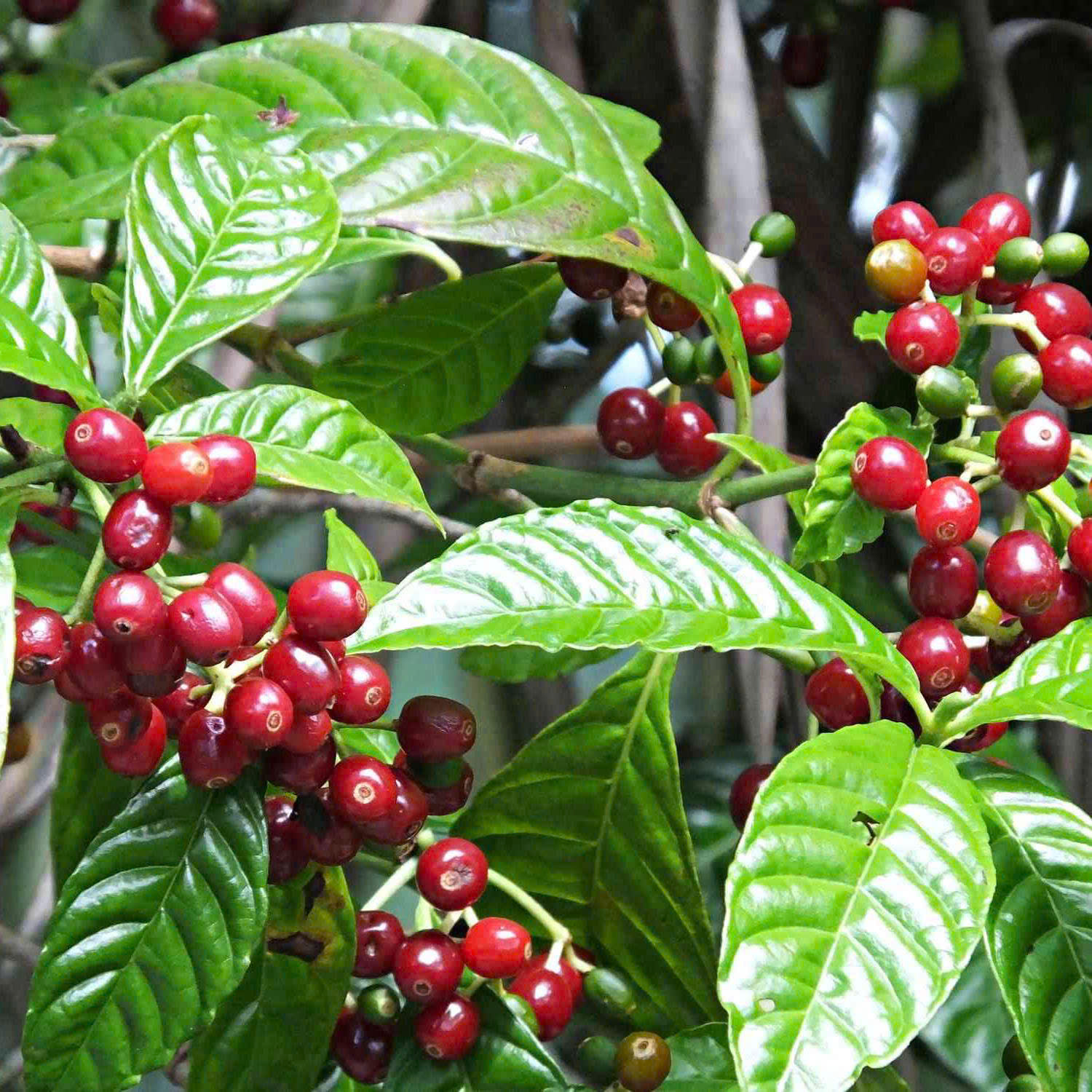
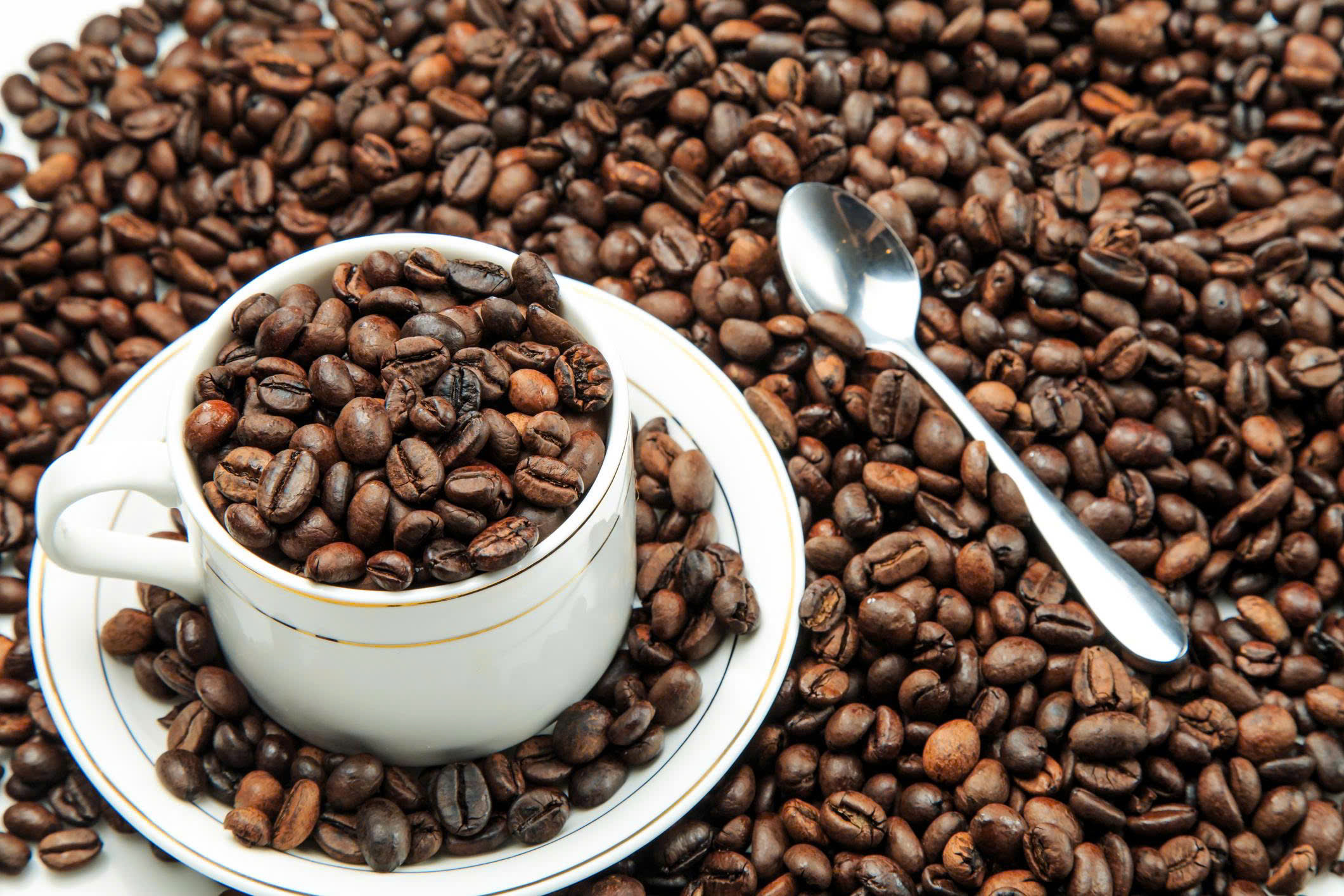
Before becoming a delicious cup of coffee, coffee begins as cherries harvested at the optimal stage of ripeness.
The quality of a cup of coffee starts with the coffee bean.
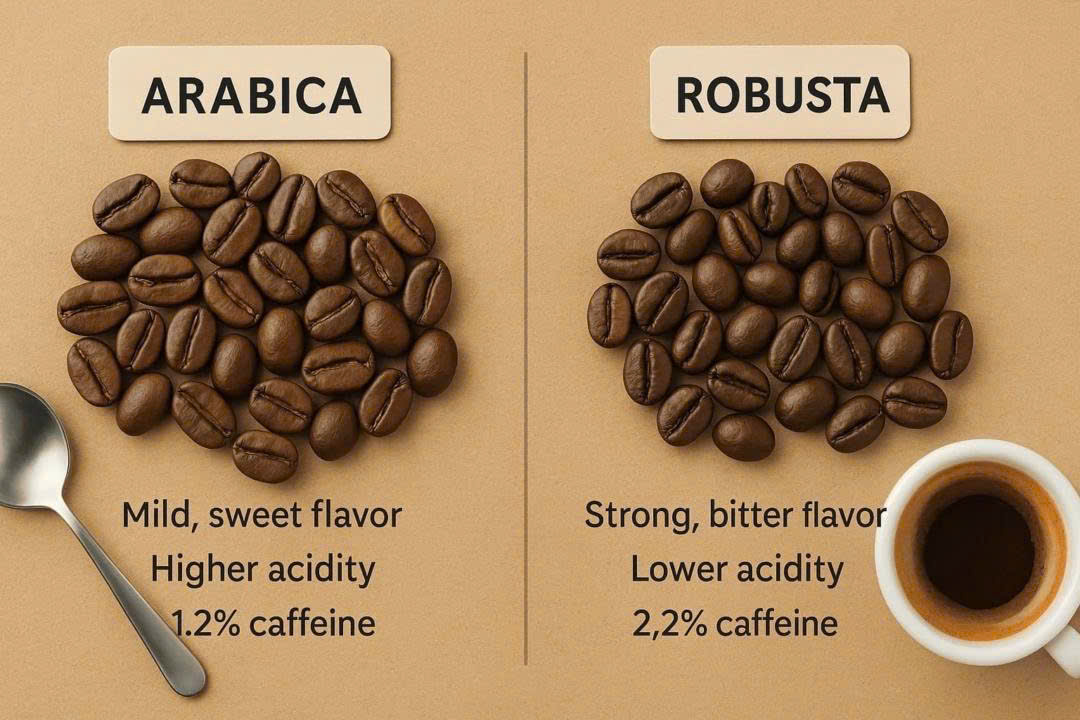
Among the many coffee varieties available, Arabica and Robusta are two of the most widely recognized and commonly used. Each variety has its own unique characteristics in terms of aroma, flavor, body, and applications in beverage preparation.
In practical beverage preparation, Baristas may use Arabica, Robusta, or a blend of both to create flavor profiles that suit specific beverages and different café concepts.
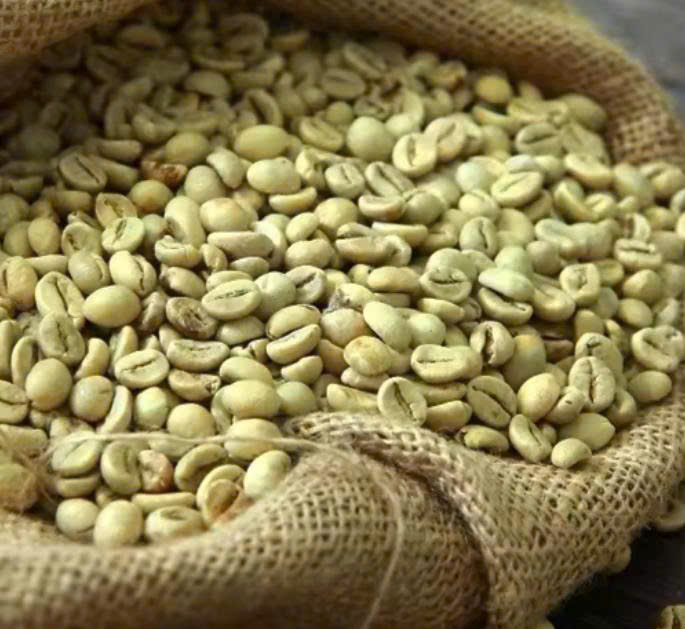
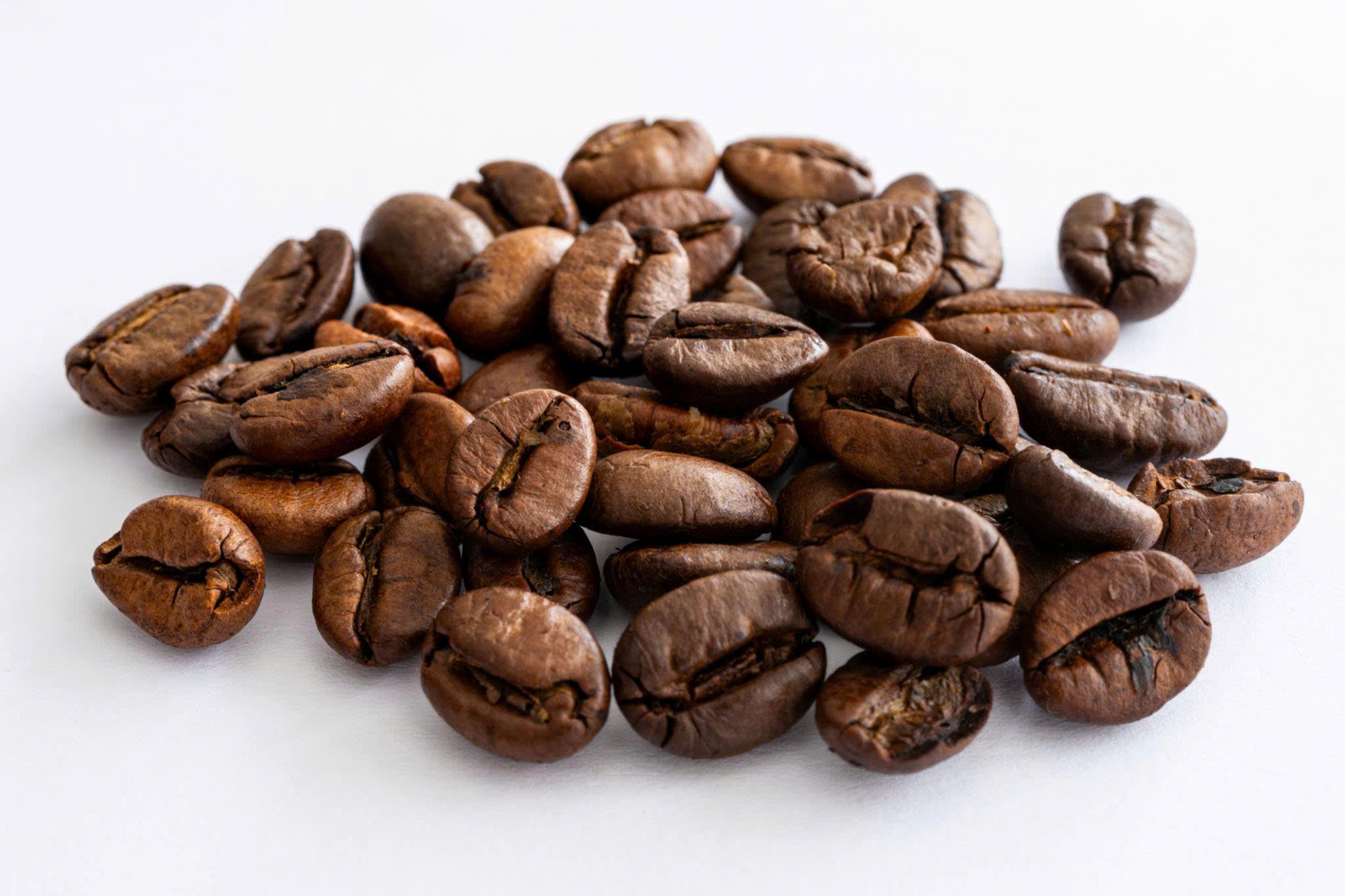
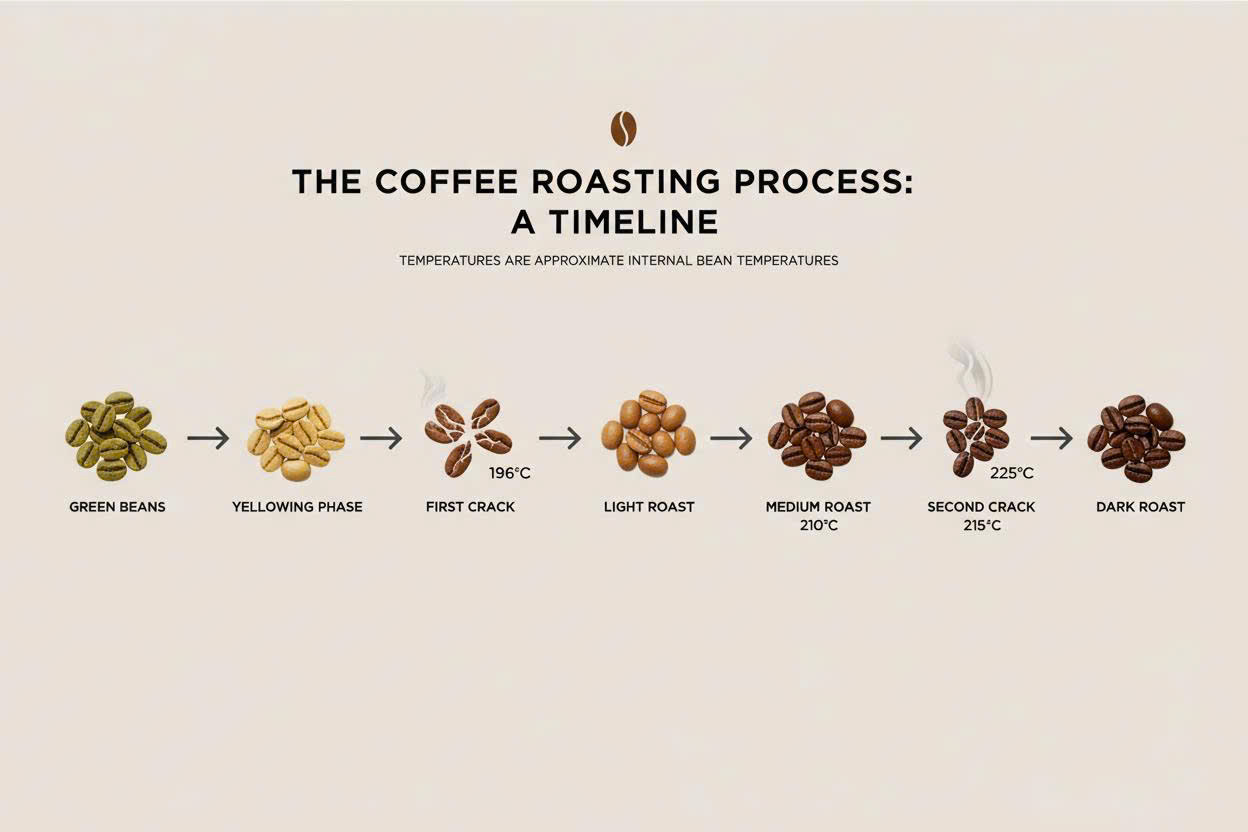
After harvesting and processing, coffee becomes green coffee beans. At this stage, the beans are not yet ready to be used directly to prepare a shot of Espresso or Vietnamese Phin Coffee.
The coffee beans need to undergo the roasting process.
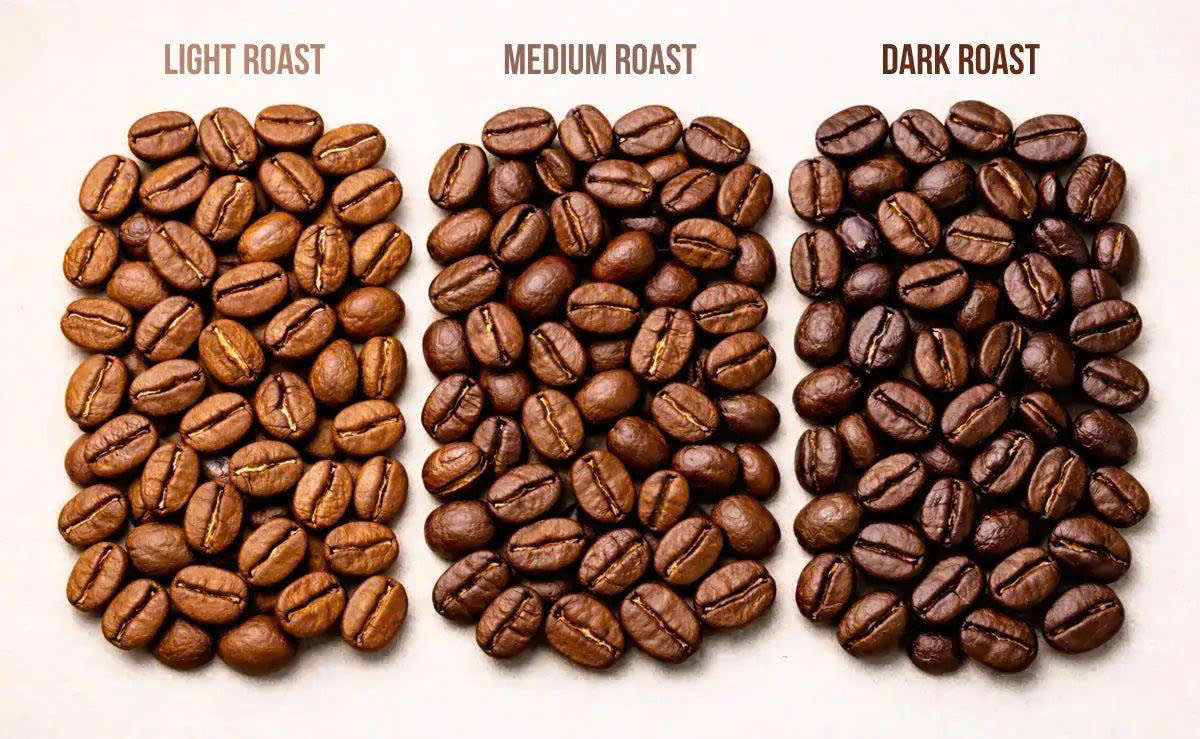
Under the influence of heat, coffee beans change in color, size, and structure while developing a wide range of aroma compounds.
Depending on the roast level, coffee can have different characteristics:
There is no single roast level that is suitable for every type of coffee. The choice of roasting profile should be based on the type of bean, intended use, and brewing method.
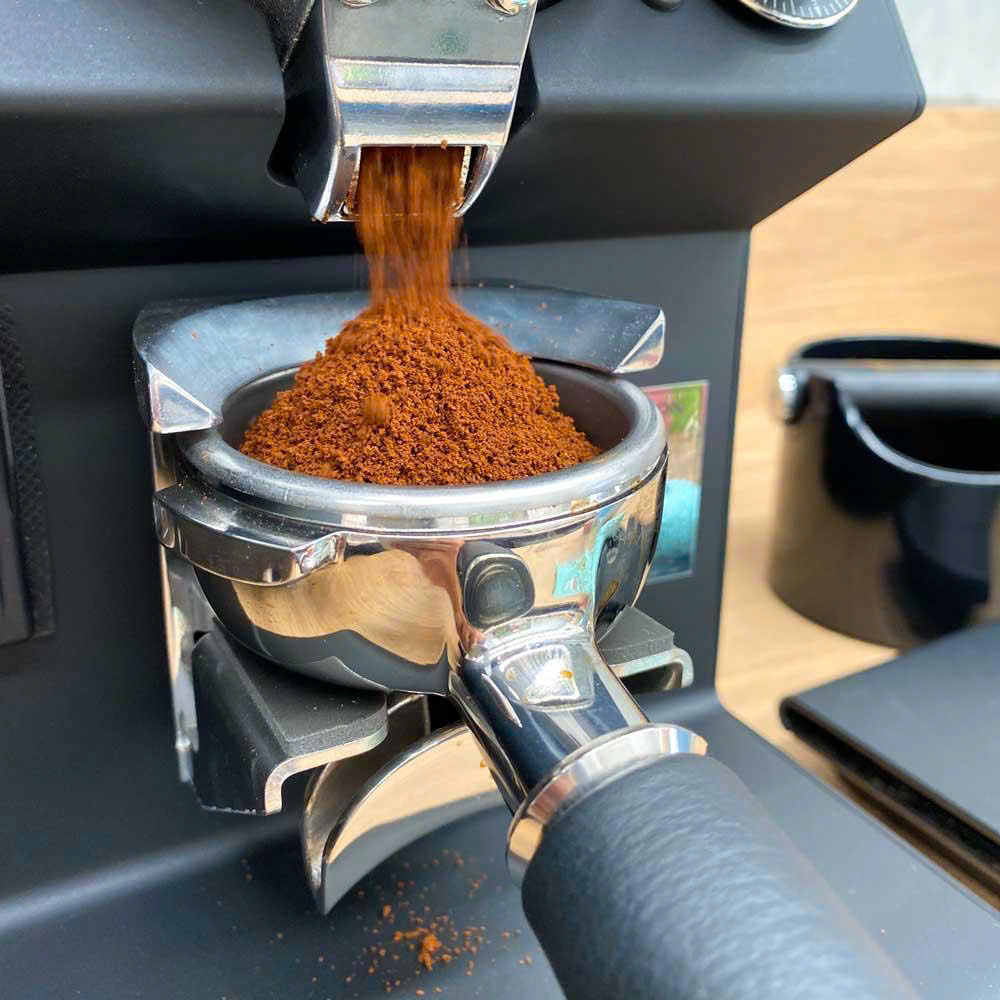
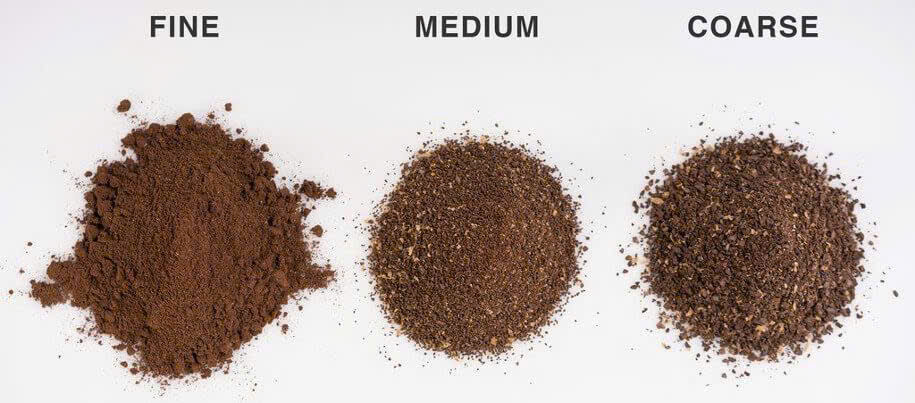
After roasting, coffee beans need to be ground before brewing. The grind size directly affects the surface area that comes into contact with water, which in turn influences the extraction rate.
As the particle size changes, the contact area between the coffee and water also changes, affecting both the speed and degree of extraction.
Depending on the brewing method, Baristas will choose different grind sizes:
Fine Grind: Generally suitable for Espresso.
Medium Grind: Can be used for various filter brewing methods.
Coarse Grind: Suitable for brewing methods with longer contact times, such as French Press.
Therefore, if an Espresso tastes sour or bitter, or flows too quickly or too slowly, grind size is one of the first factors that should be checked.
For this reason, baristas need to choose the appropriate grind size for each brewing method.
This is the stage where a barista’s knowledge and technical skills become most apparent.
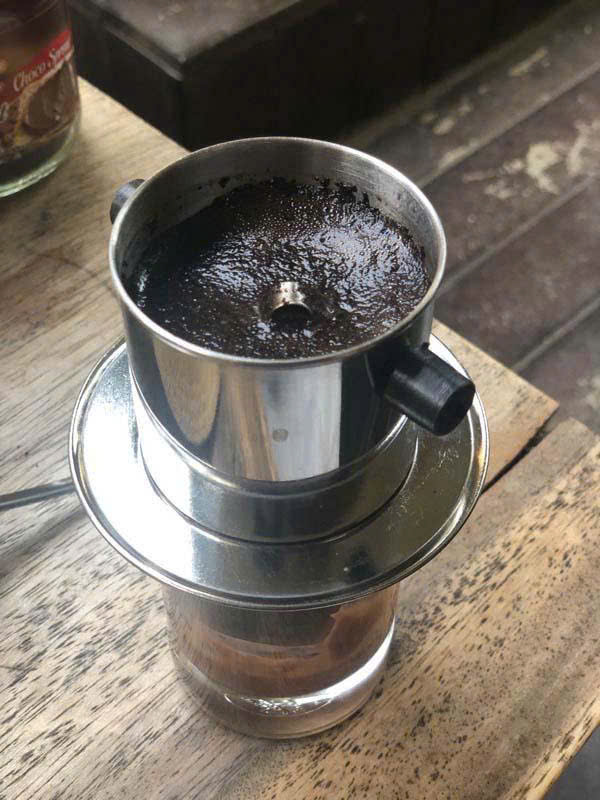
Phin Coffee is one of Vietnam’s signature brewing methods.
Hot water is added to the Phin and slowly passes through the layer of coffee grounds. The resulting coffee typically has a pronounced aroma and rich flavor, making it an excellent match for condensed milk and the familiar Vietnamese Iced Milk Coffee.
Espresso uses pressure to force hot water through finely ground coffee over a short period of time.
A well-extracted shot of Espresso typically has a clear aroma, well-balanced body, and a layer of crema on the surface.
Espresso also serves as the foundation for many popular beverages, including:
Americano
Latte
Cappuccino
Mocha
Macchiato
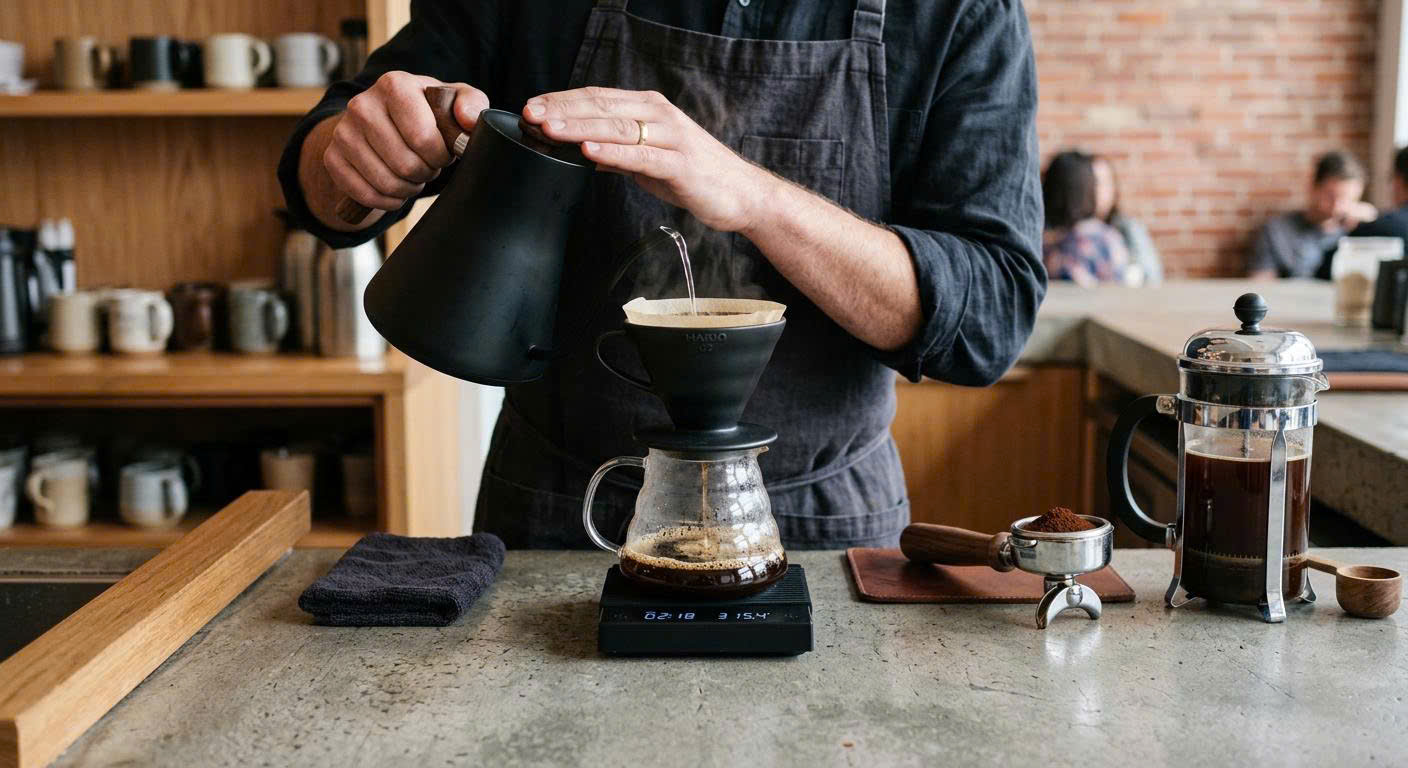
Pour Over is a manual brewing method that uses a paper filter and a controlled pouring technique.
This method is often used to highlight the aroma and distinctive characteristics of each type of coffee bean.


This is one of the most fascinating aspects of learning about Coffee. Even when using the same type of coffee bean, changing just one of the following factors can significantly affect the final flavor:
Bean type + roast level + grind size + coffee dose + water volume + temperature + extraction time + brewing technique
Changing just one factor can alter the result in the cup. Brewing coffee is not simply a matter of “putting coffee and water together.”
For example, both grind size and contact time with water have a direct impact on the extraction process.
Therefore, a professional Barista should not simply memorize recipes. They also need to understand why a particular recipe is used and know how to adjust it when conditions change.

Along with the growth of the F&B industry, coffee continues to evolve through increasingly diverse approaches and creative applications.
From a single shot of Espresso, a Barista can create a wide range of beverages. Traditional Vietnamese Phin Coffee can also be adapted and transformed into modern creations that suit current trends.
This opens up many opportunities for those who want to:
Learn the Barista profession.
Work in a café.
Build a beverage menu.
Develop Coffee products.
Start a coffee business.
Improve their beverage preparation skills.
However, to build a long-term career in the industry, knowing recipes alone is not enough.
A barista needs to understand ingredients, equipment, extraction techniques, flavor balancing, and how to maintain product consistency.
If you are new to the beverage industry, learning step by step can help you build a stronger foundation.
Learn the differences between Arabica and Robusta, different roast levels, and proper coffee storage.
Learn about Espresso machines, coffee grinders, digital scales, and other brewing tools.
Understand how to adjust grind size, dosage, extraction time, and other relevant parameters.
Practice repeatedly to develop your palate and your ability to handle different brewing situations.
Build on your Coffee foundation to develop beverages that suit your customers and business model.
This is also why learning in an environment that provides structured training, hands-on practice, and career-oriented guidance can help beginners save time throughout their learning journey.
If you are interested in Coffee and want to move beyond simply knowing how to make a cup of coffee to understanding and mastering the craft of beverage preparation, IKEM Beverage Training Academy is an option worth exploring.
At IKEM, the training approach is not focused solely on memorizing recipes. Instead, it aims to help learners develop a deeper understanding of ingredients – techniques – beverage-making principles – and practical applications.
From foundational knowledge to hands-on practice, learners can gradually develop the following approach:
Understand the Ingredients → Understand the Techniques → Practice → Adjust the Flavor → Perfect the Product
This is an important foundation for anyone looking to enter the F&B industry or planning to develop a beverage business.
A great cup of Coffee does not come from a recipe alone. It is the result of a combination of the right ingredients, equipment, technique, precision, and the experience of the barista.
If you are:
☕ Looking to start learning beverage preparation from the basics
☕ Looking to improve your Barista skills
☕ Wanting to gain a deeper understanding of Coffee
☕ Looking to build a café menu
☕ Preparing to start a beverage business
Start by building a strong foundation of knowledge rather than simply memorizing recipes.
IKEM Beverage Training Academy supports those who want to learn the craft, understand the profession, and grow within the F&B industry.
Coffee is not simply a beverage made by combining coffee and water. It is an entire journey that begins with the coffee bean, continues through processing – roasting – grinding – extraction, and ultimately becomes a complete cup of coffee.
Once you understand this journey, you will not only experience Coffee through your palate but also discover the world of knowledge and technique behind every cup.
If Coffee is your passion, turn that passion into professional knowledge and skills with IKEM Beverage Training Academy.

29.08.2026

28.08.2026

26.08.2026

24.08.2026

21.08.2026

18.08.2026

15.08.2026

13.08.2026

10.08.2026

10.08.2026

09.08.2026

07.08.2026

06.08.2026

06.08.2026

05.08.2026

05.08.2026

01.08.2026

31.07.2026

01.07.2026